
From April 17 to July 16, 2026, Compass ran across Google, Meta, and geofenced venues throughout St. Louis, reaching the region's highest-income buyers.
Google display, Google search, Meta, and geofencing ran in parallel for all three months, covering the news St. Louis buyers read, the feeds they scroll, and the venues they visit. Every channel cleared our national benchmarks.
The targeting was built around St. Louis' luxury buyer: households browsing Ladue, Clayton, and Frontenac listings, members at clubs like Bellerive and the St. Louis Country Club, professionals around the Centene, Edward Jones, and Boeing campuses, and readers of the luxury press from Mansion Global to Robb Report.
Compass reached St. Louis' highest-income buyers across the local news they trust and the national publications they read every day.
The local outlets earned the most clicks of the whole campaign. On KMOV's First Alert 4, 12.01% of the people who saw the ad clicked it, and on the Post-Dispatch's stltoday.com, 4.55%. When a St. Louis buyer reads local news, Compass is right there.
The real-estate category benchmark for Google Search sits around 4.5%. This campaign ran at 20.71%, which means about one in five people who saw a Compass St. Louis search ad clicked straight through to the collection.
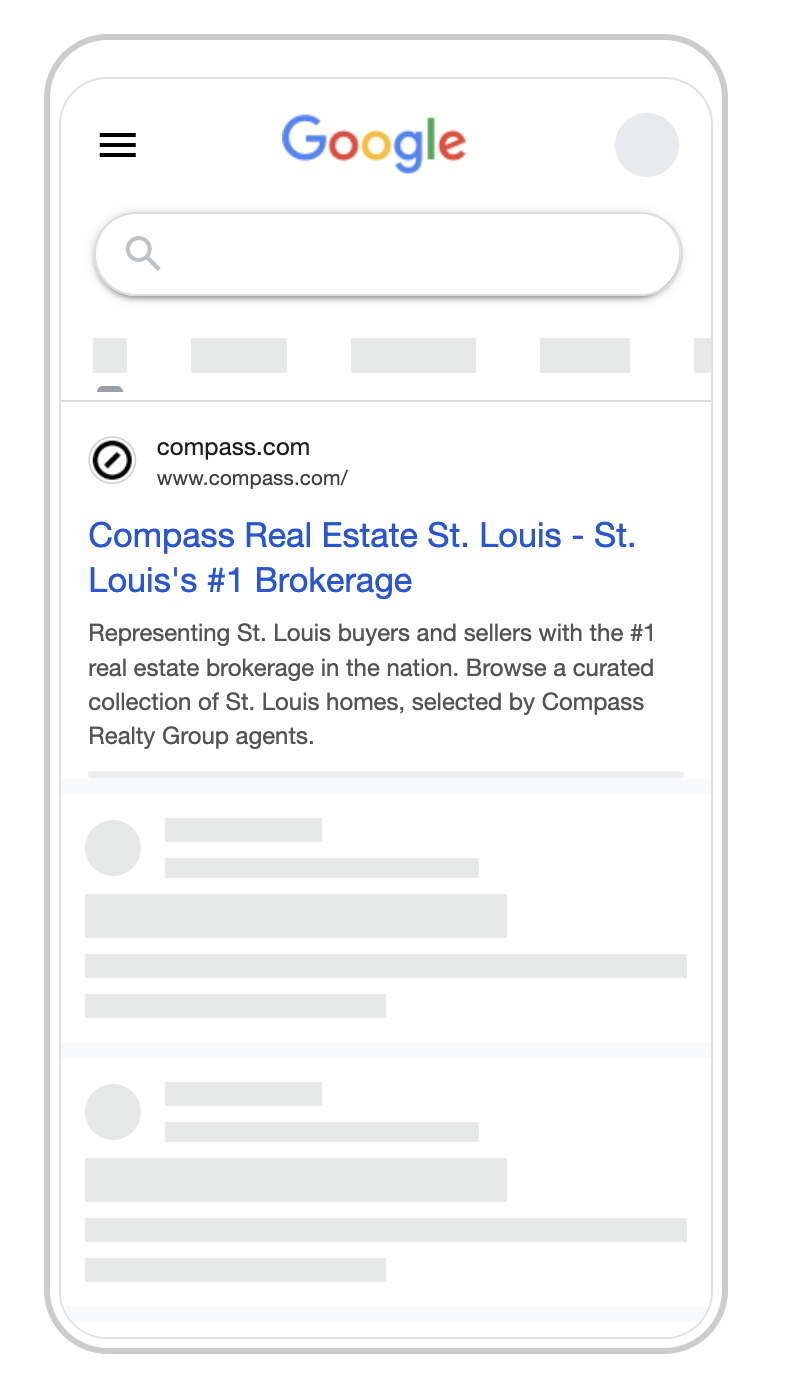
The top search ad, as St. Louis saw it. The ad earned 381 clicks on 1.3K ad views, a 29.24% engagement rate.
| Keyword | Ad Views | Clicks | Engagement Rate |
|---|---|---|---|
| Compass Realty Group | 750 | 276 | 36.8% |
| Compass Real Estate | 865 | 209 | 24.2% |
| Compass realty St. Louis | 266 | 94 | 35.3% |
The branded searches clicked best, a sign St. Louis already knows the Compass name and goes looking for it.
Across Facebook and Instagram, feed and story ads reached St. Louis buyers 66.5K times over three months.
Geofencing is the campaign's precision play. Display, search, and Meta meet buyers online; geofencing starts with where buyers go offline.
Compass drew digital fences around five of St. Louis' most affluent gathering points, the Chase Park Plaza, Plaza Frontenac, the Clayton business district, One Hundred in the Central West End, and the St. Louis Country Club, then followed those visitors across their screens for the duration of the campaign.
Overall geofencing engagement rate came in at 0.14%, inside the 0.10% to 0.25% healthy range for location-based awareness campaigns.
Display averaged a 1.52% engagement rate, more than eight times the 0.18% national average. The creative resonated enough that Google favored quality engagement over raw delivery: once St. Louis buyers started clicking at that rate, Google didn't need to serve the ads as many times to earn each click. The campaign found the right people faster, spent its budget more efficiently, and prioritized quality views and clicks over quantity.
Winners ranked by clicks at volume, from the Google Ads source. Compass national display benchmark is 0.18%.
| Creative | Format | Clicks | Ad Views | Engagement Rate | |
|---|---|---|---|---|---|
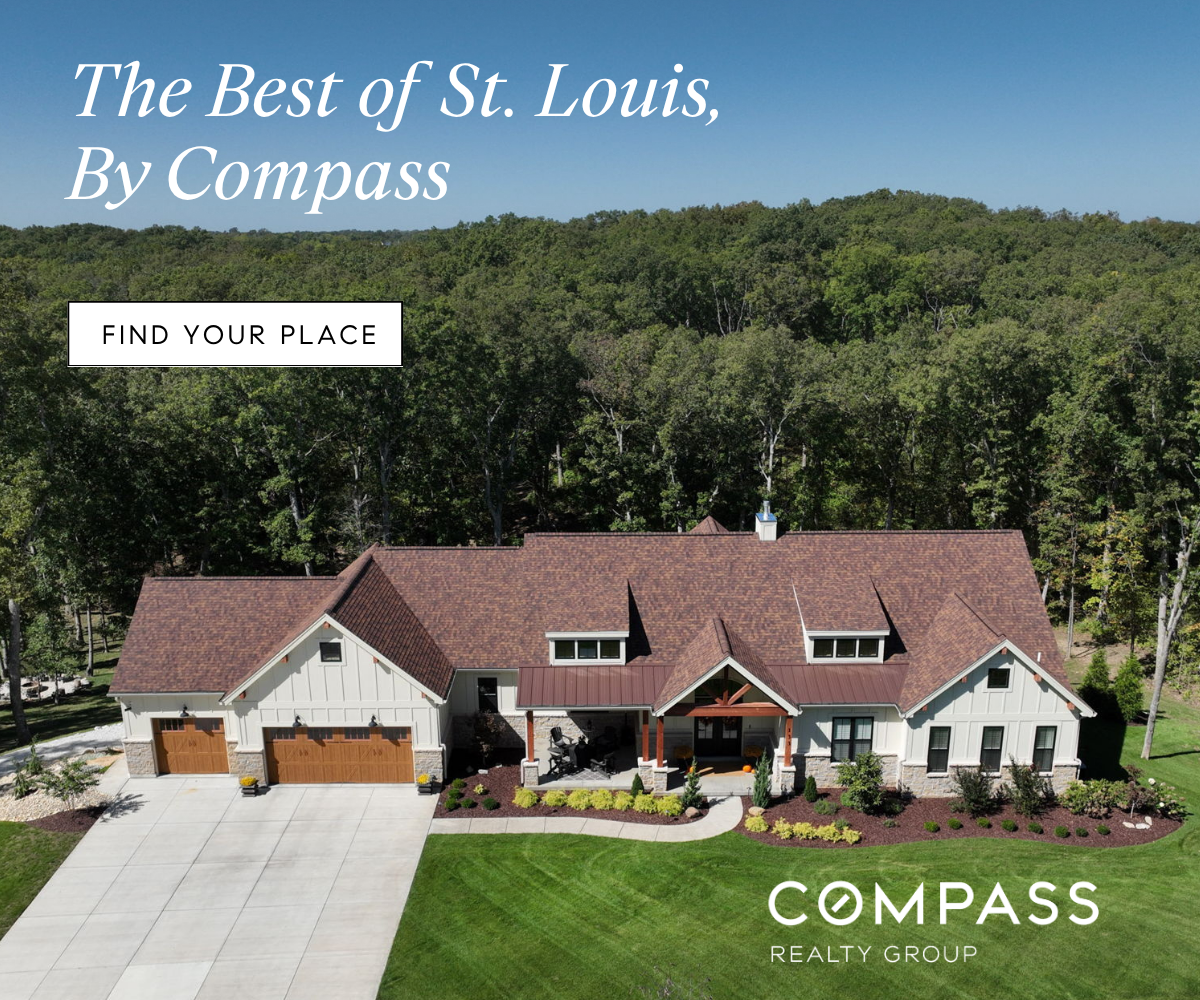 |
The Best of St. Louis | Standard | 418 | 35.5K | 1.18% |
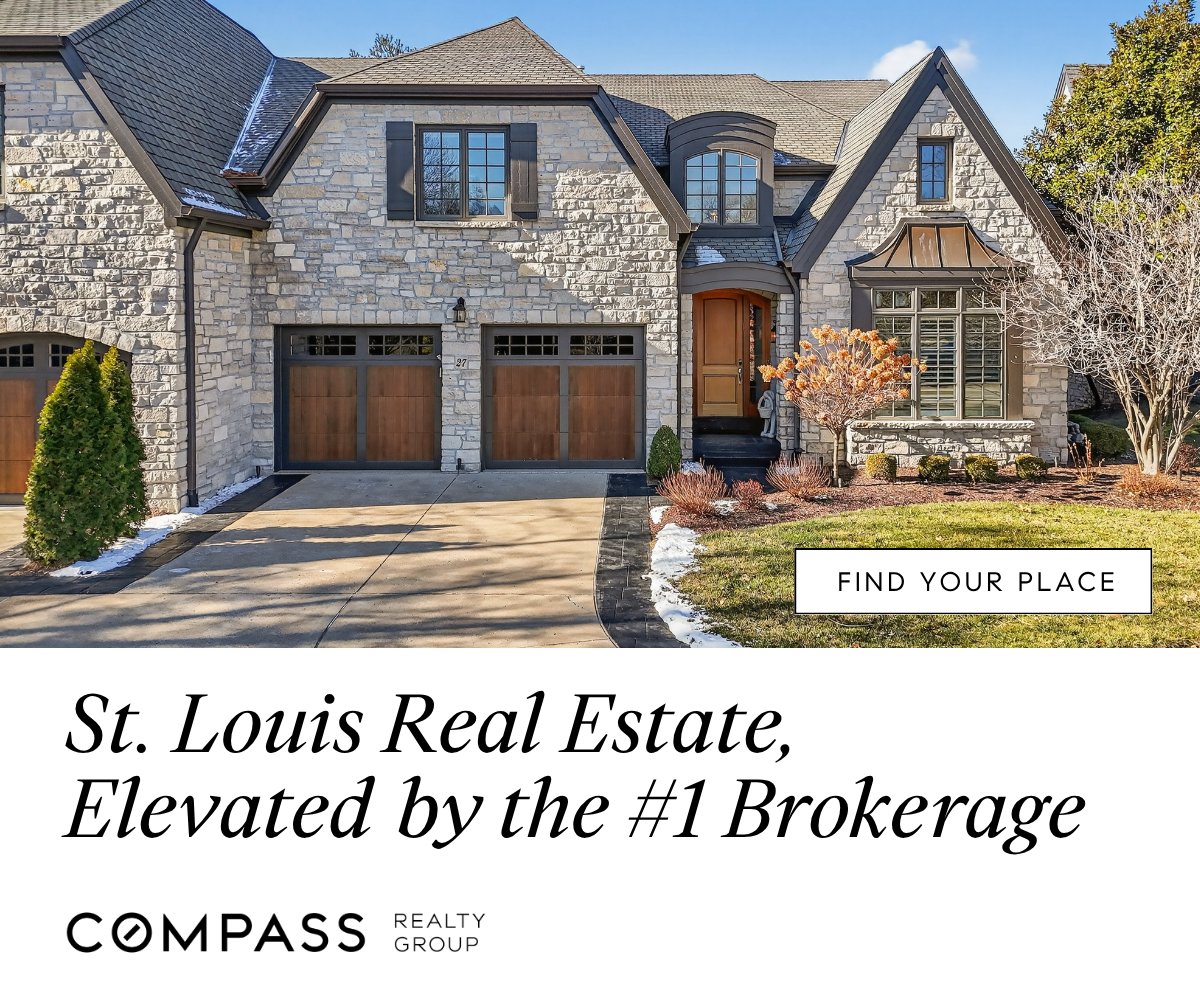 |
Elevated by the #1 Brokerage | Standard | 261 | 17.7K | 1.47% |
|
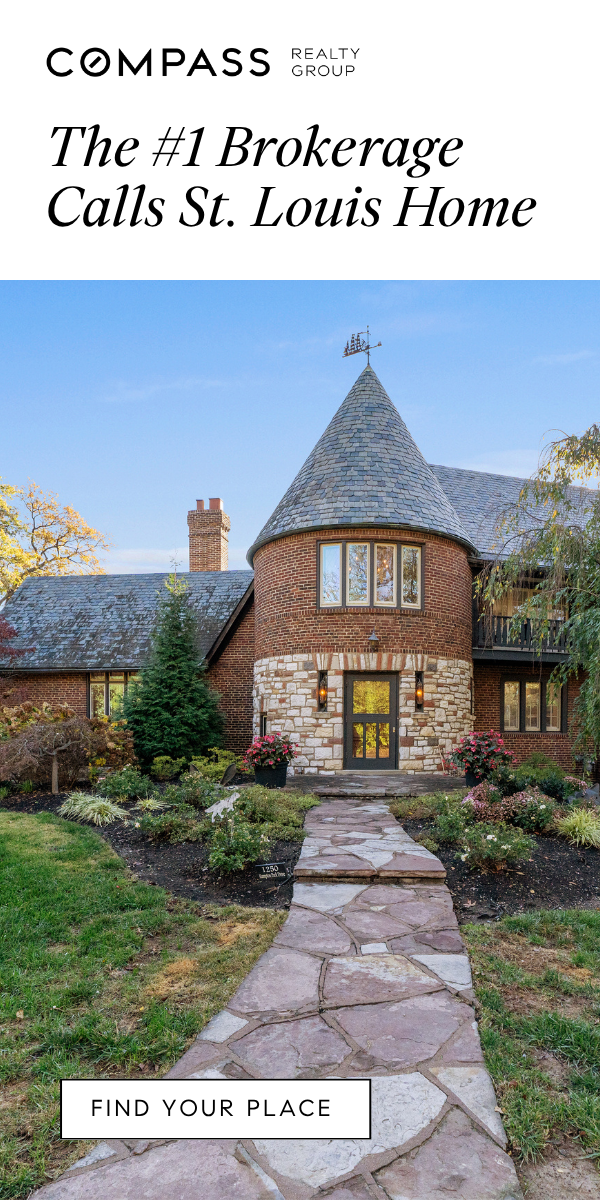
The #1 Brokerage Calls St. Louis Home | Vertical | 257 | 9.0K | 2.87% |
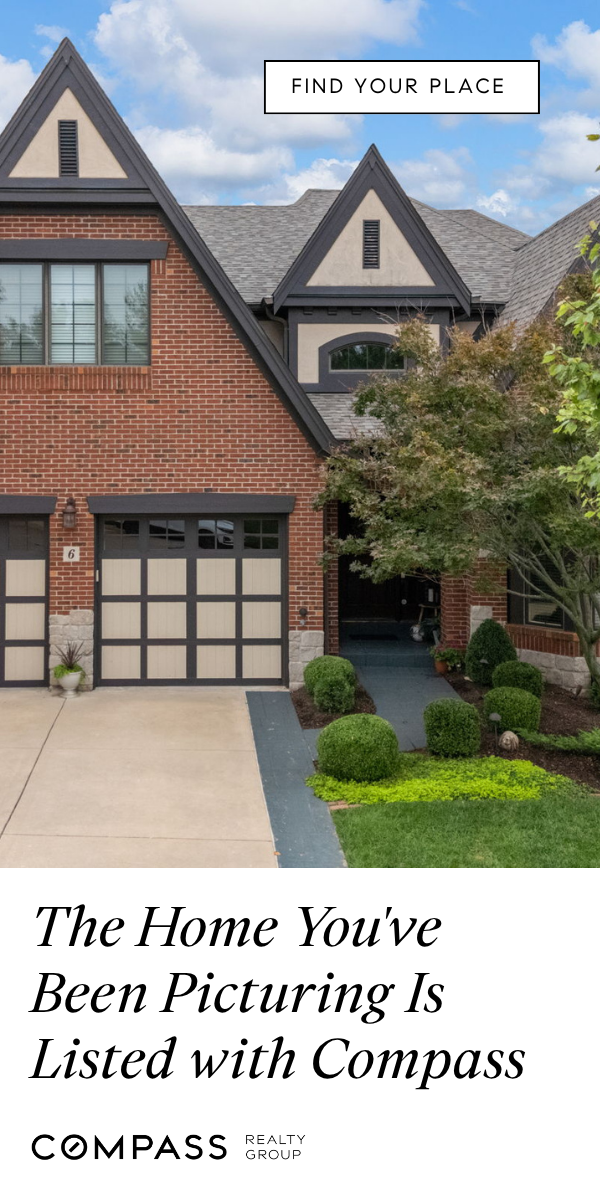 |
Listed with Compass | Vertical | 188 | 4.3K | 4.34% |
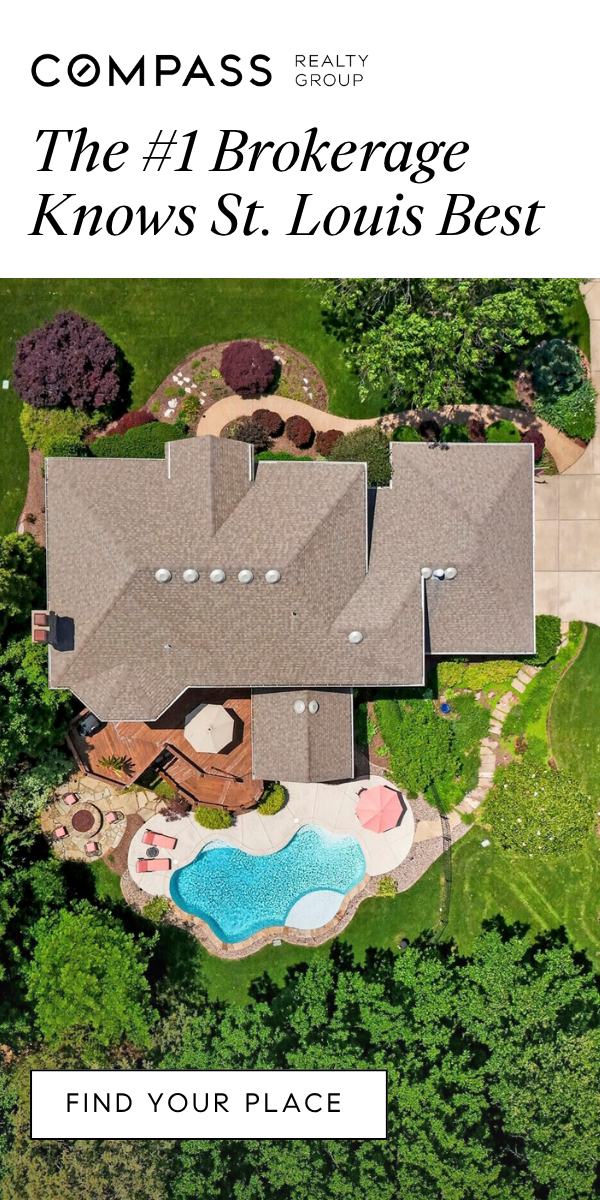 |
The #1 Brokerage | Vertical | 143 | 7.7K | 1.85% |
 |
St. Louis Buyers | Standard | 141 | 11.3K | 1.25% |
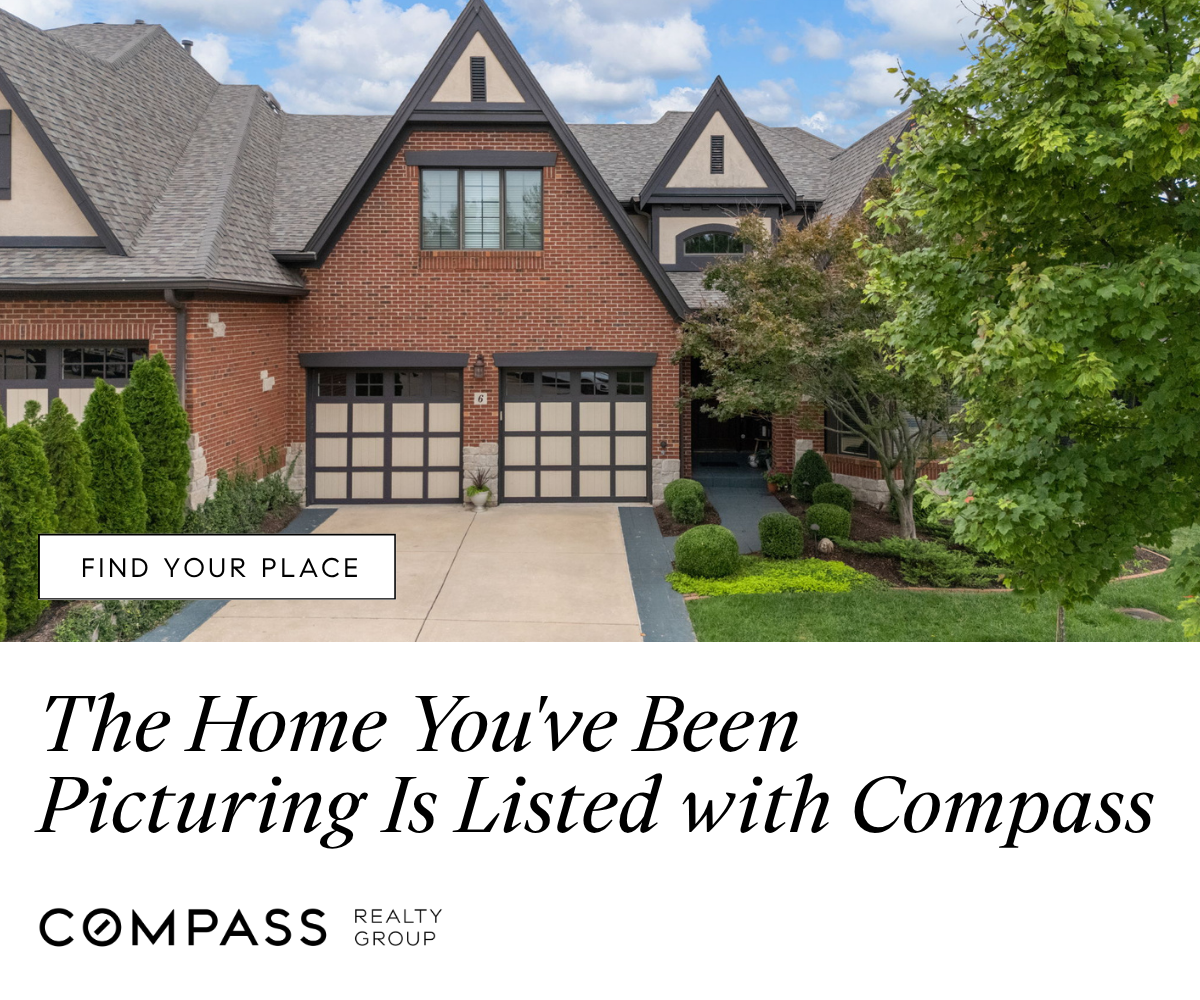 |
Listed with Compass | Standard | 127 | 7.5K | 1.70% |
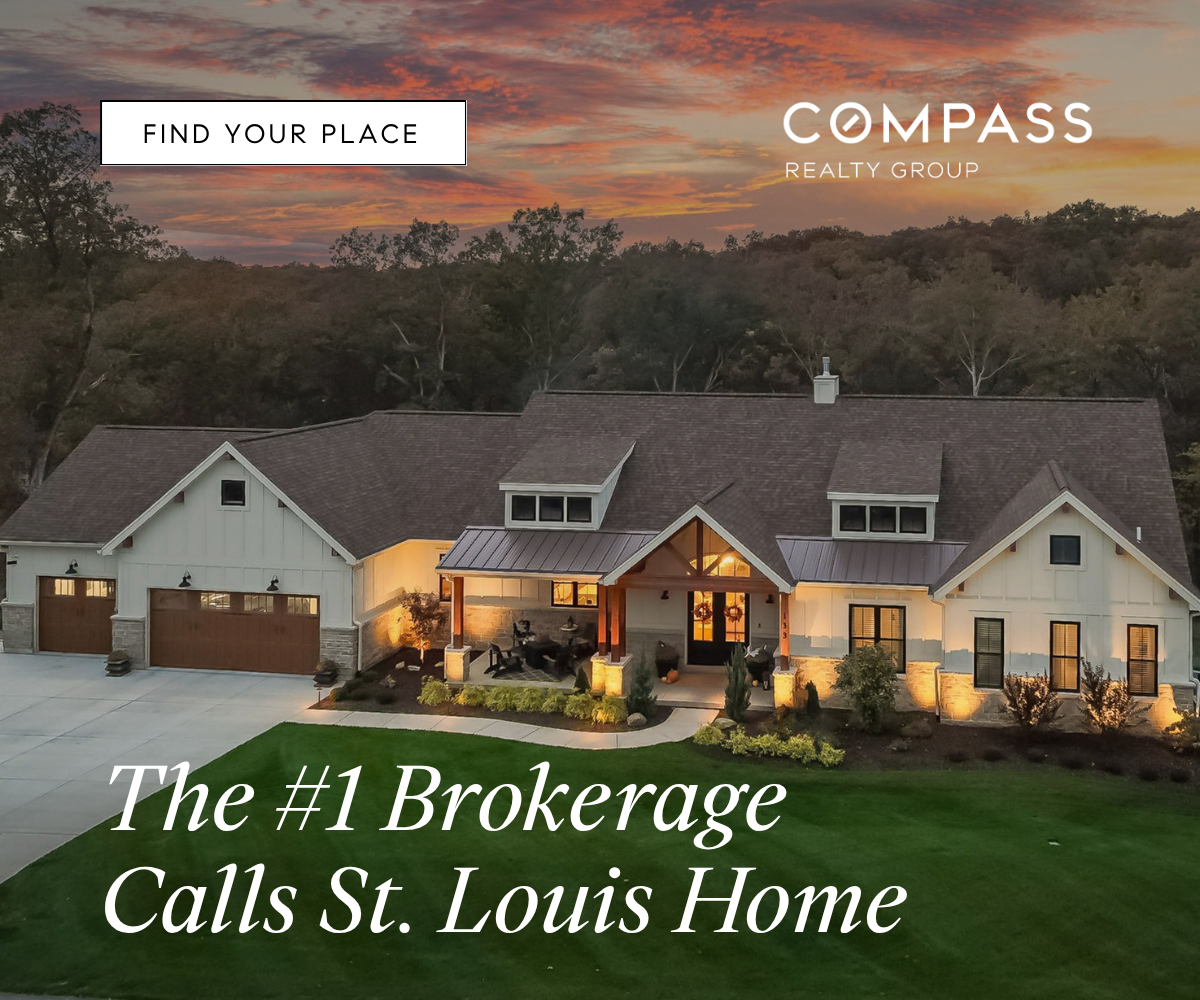 |
The #1 Brokerage Calls St. Louis Home | Standard | 94 | 5.7K | 1.66% |
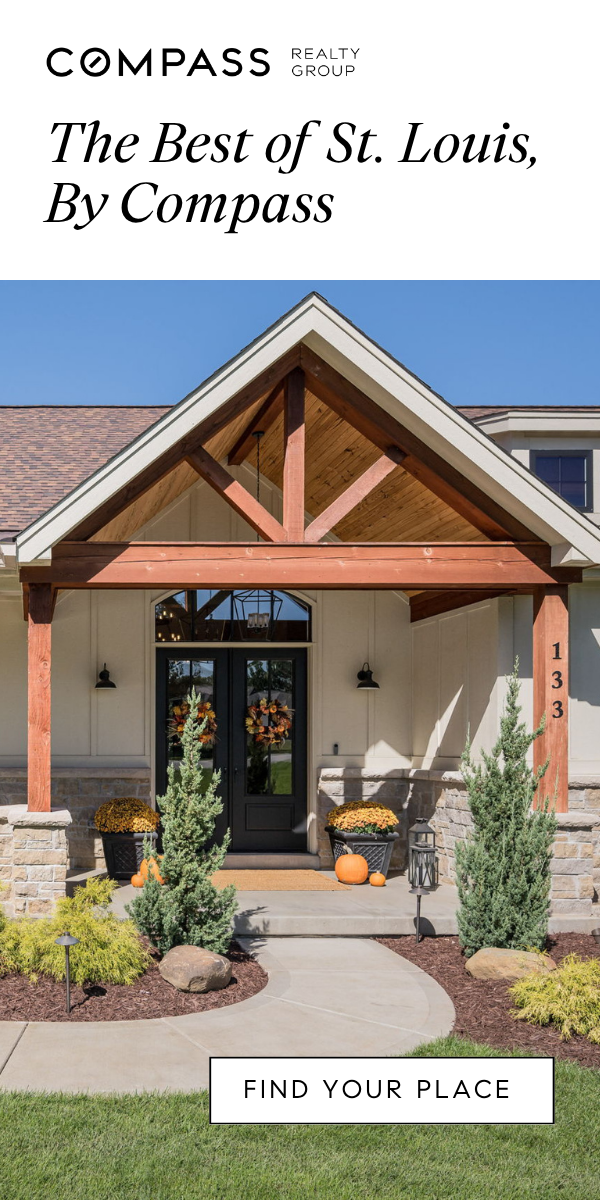 |
Best of St. Louis | Vertical | 75 | 3.9K | 1.91% |
Vertical beat its standard counterpart on engagement rate in every matched pairing. "Listed with Compass" ran 4.34% vertical against 1.70% standard, and "The #1 Brokerage Calls St. Louis Home" ran 2.87% against 1.66%. The standard formats carried the volume; the vertical formats carried the engagement rate.
"The Best of St. Louis" earned the most clicks of any display creative at 418, and the "#1 Brokerage" family ran the highest engagement rate on display while "Elevated by the #1 Brokerage" led Meta engagement. A 2027 build starts from these two ideas: naming St. Louis as the best, and leaning on Compass as the number one brokerage.
About one in five people who saw a Compass St. Louis search ad clicked it, and the branded keywords ran as high as 36.8%. St. Louis already knows the Compass name and goes looking for it. A larger 2027 search presence captures more of that demand.